October 2021 Virtual Display #1: Hispanic and Latinx Heritage Month
September 15th to October 15th is Latinx and Hispanic Heritage Month! This month we recognize and celebrate contributions by the Latinx and Hispanic American communities.
Clark College Libraries is using both “Hispanic” and “Latinx” with an understanding that not everyone feels represented by one term. While “Latinx” is used in many academic settings as a way to be inclusive of all genders, we recognize that there is some debate around using that term.
Follow the links below to check out some ebooks, videos, articles, and other digital resources. To access ebooks click the link next to “Get It Now At:” and sign in with your lab username and password. Some may have a link at the top of the page that says “Check for full text” instead. Non-library resources do not require a Clark Labs account.
Ebooks
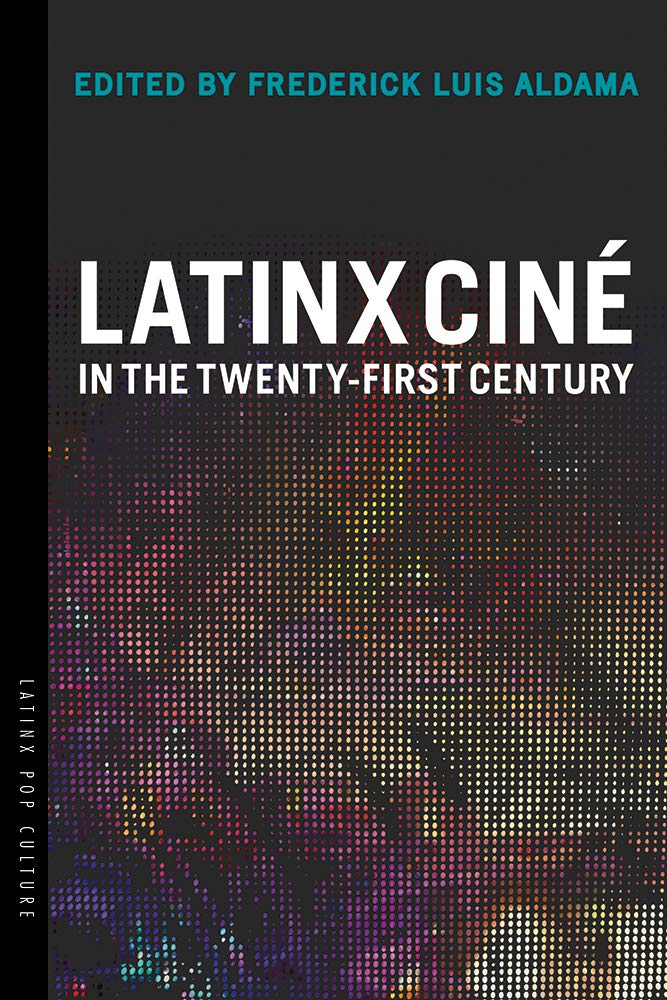
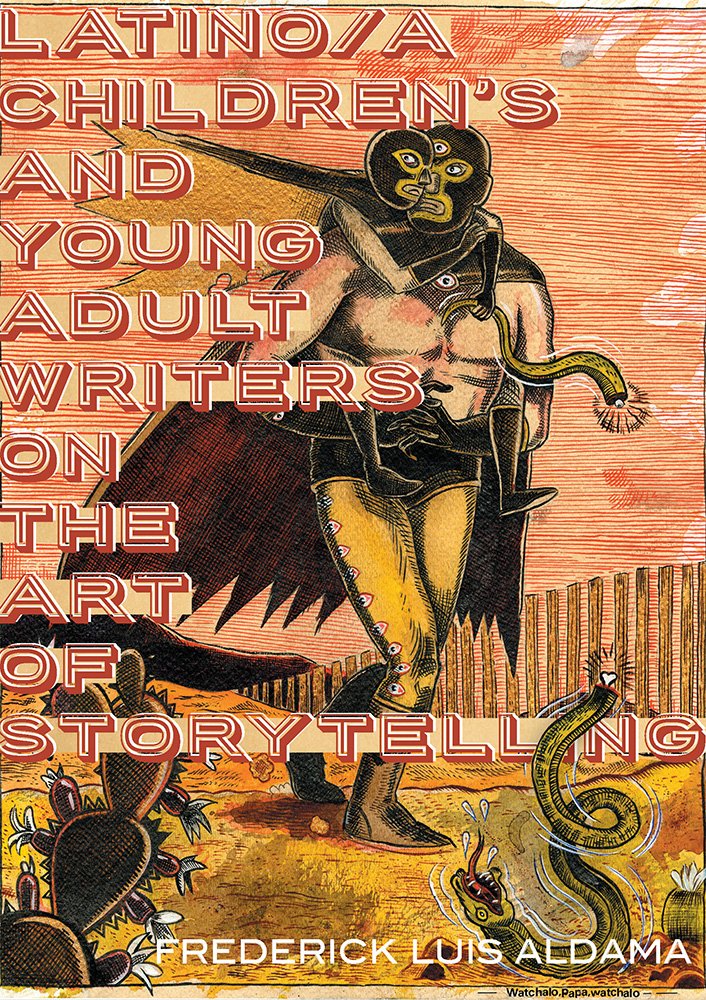
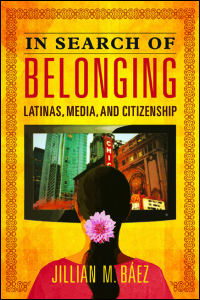
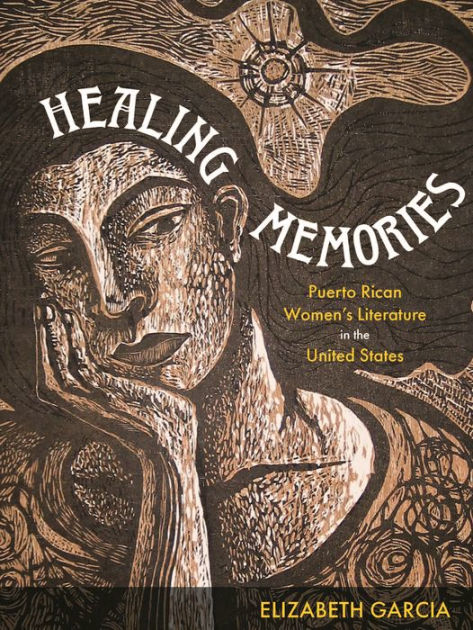
Healing Memories: Puerto Rican Women’s Literature in the United States by Elizabeth Garcia
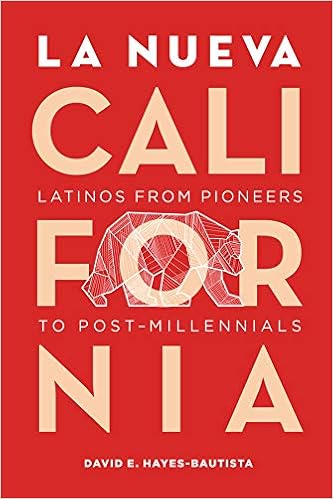
La Nueva California: Latinos from Pioneers to Post-Millennials by David E. Hayes-Bautista
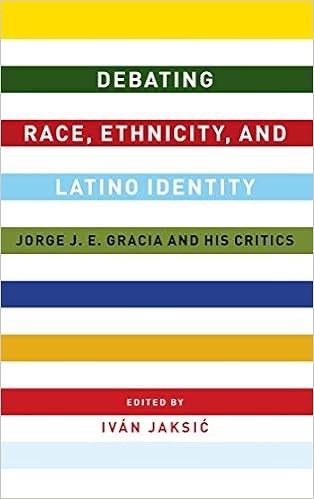
Debating Race, Ethnicity, and Latino Identity: Jorge J. E. Gracia and His Critics by Iván Jaksić
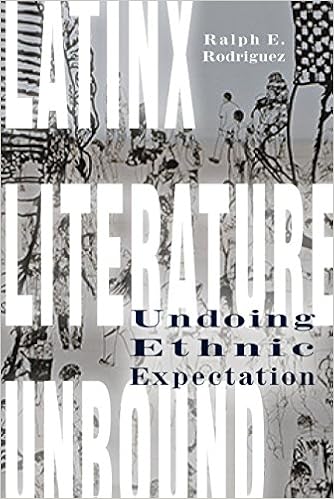
Latinx Literature Unbound: Undoing Ethnic Expectation by Ralph E.
Other Resources
Articles
“Blackness and Latinidad are not mutually exclusive. Here’s what it means to be Afro-Latino in America” on cnn.com
“Ultimately, defining what it means to be Afro-Latino is personal and can be subjective, multiple scholars and Afro-Latinos told CNN. They have dark and lighter skin, they are fully bilingual or only speak some Spanish and their families are linked to more than a dozen countries. The term acknowledges that Black Latinos face different struggles than other Latinos, especially those with lighter skin, experts say.”
“Call Me Latine: New Online Resource Helps Queer and Non-Binary Latines Define Themselves” on SpectrumSouth.com
“The Spanish language is gendered, usually defined by words ending in the masculine form “o” and the feminine form “a.” In an effort to remove gender from the language, LGBTQ, non-binary, and feminist communities in Spanish-speaking countries began replacing the “o” or “a” with the gender-nuetral ending “e.” For example, mi amigo is changed to mi amigue or el niño is changed to elle niñe.”
“I Know What Latinx Resilience Looks Like Because I’m Living It” on TeenVogue.com
“Our resilience as a united power is demonstrated in our never-ending fight as working-class people of color against the increase of xenophobic rhetoric present within modern U.S. politics and society. Despite this hate, it must become evident that we are not political pawns; we are human beings who are contributing to the future of this nation. We are dreamers. We are immigrants. We are resilient. We are here today, and we are here to stay.”
“Unsung Heroes of Latinx Farmworkers’ Labor Movement, from Maria Moreno to Fast Food Boycotters” on TeenVogue.com
“There’s no end in sight to the cruelties that continue to be perpetuated by this administration, but through it all, Latinx workers have shown that they will continue to organize, strategize, and fight back. Viva la huelga!”
“Why Hispanic Heritage Month starts in the middle of September” on cnn.com
“Rather than starting at the beginning of September, Hispanic Heritage Month takes place over 30 days starting on the 15th — a nod to the anniversaries of national independence for a number of Latin American countries: Costa Rica, El Salvador, Guatemala, Honduras and Nicaragua all recognize September 15 as the date of their independence, while Mexico’s independence is celebrated September 16 and Chile celebrates its independence September 18.”
“Why Latinx People Are Uniquely Vulnerable to Wrongful Conviction” on InnocenceProject.org
“Most Latinx people in the U.S. are U.S. citizens, but in some cases, they face similar challenges to wrongfully convicted Latinx immigrants. In several cases, U.S. citizens have been wrongfully convicted of entering the country illegally or committing another immigration violation, and were exonerated only after proving that they had been citizens all along.”
“Yes, We’re Calling It Hispanic Heritage Month And We Know It Makes Some Of You Cringe” on npr.org
“But it’s not too late to pose the following thorny questions: What’s the harm in lumping together roughly 62 million people with complex identities under a single umbrella? Is a blanket pan-ethnic term necessary to unite and reflect a shared culture that is still largely (infuriatingly) excluded from mainstream popular culture? Or the more basic question: ¿Por que Hispanic?”
Websites
Hispanic and Latinx People with Disabilities
Videos and Podcasts
Disability, Queerness, and Self-Love with Annie Segarra
Hispanic Heritage Month 2021: Latinos Lead
Hispanic, Latino, Latinx: What’s in a name?
Featured Image Photo Credit: University of Pittsburgh Hispanic Heritage Month Celebration