August 2021 Virtual Display: Support and Resources for (Formerly) Incarcerated People
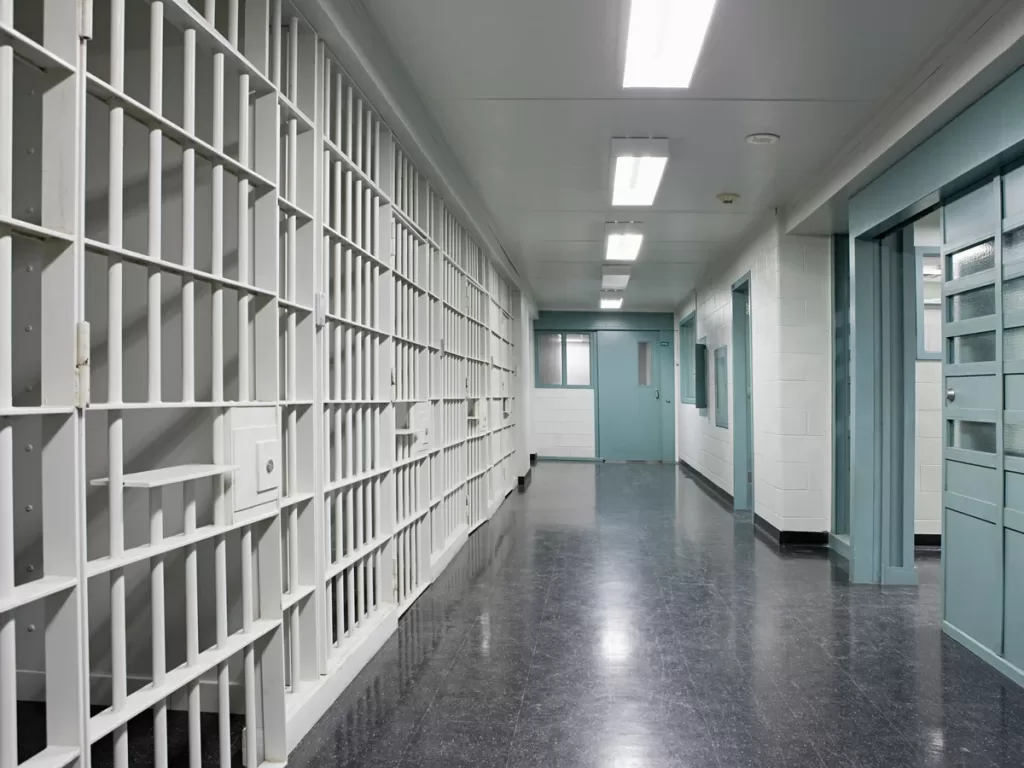
This virtual display exists to provide information and resources for formerly incarcerated people and those with incarcerated loved ones, along with information about how to best provide support for incarcerated people and learn about their experiences. Some of the resources are specific to Clark students and Clark County, while others are more general.
Follow the links below to check out some ebooks, videos, articles, and other digital resources. To access ebooks click the link next to “Get It Now At:” and sign in with your lab username and password. Some may have a link at the top of the page that says “Check for full text” instead. Non-Clark Libraries resources do not require a Clark Labs account.
Ebooks
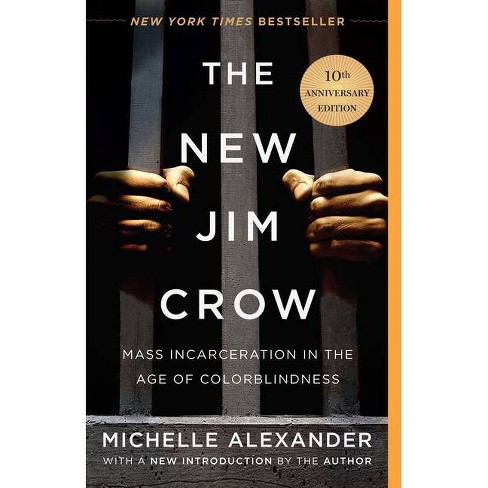
The New Jim Crow: Mass Incarceration in the Age of Colorblindness by Michelle Alexander
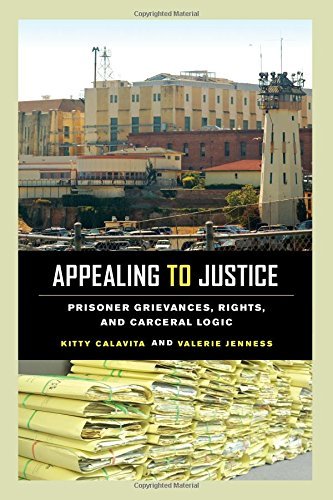
Appealing to Justice: Prisoner Grievances, Rights, and Carceral Logic by Kitty Calavita
Carceral Spaces: Mobility and Agency in Imprisonment and Migrant Detention by Deirdre Conlon, Nick Gill, & Dominique Moran

Rethinking Incarceration: Advocating for Justice that Restores by Dominique DuBois Gilliard
Convicted and Condemned: The Politics and Policies of Prisoner Reentry by Keesha M. Middlemass

Prison by Any Other Name: The Harmful Consequences of Popular Reforms by Maya Schenwar
Progressive Punishment: Job Loss, Jail Growth, and the Neoliberal Logic of Carceral Expansion by Judah Schept
The Insidious Momentum of American Mass Incarceration by Franklin E. Zimring
Outside Resources
Articles
“8 Ways You Can Support Incarcerated People Amid COVID-19” on dosomething.org
“As coronavirus cases and deaths are rising in the US, people in prisons are facing heightened risk due to the conditions they’re forced into. In the middle of a health crisis, incarcerated people live in extremely tight quarters, share telephones, lack access to necessary hygiene supplies and practices, and are unable to receive consistent medical help due to understaffing. It’s important to take care of those who are most vulnerable among us. Here are 8 ways you can support incarcerated people amid COVID-19.”
“Clark instructors help Larch inmates earn GEDs” from The Columbian
“Clark College’s GED program at Larch Corrections Center is a cornerstone of the educational offerings at the 480-inmate prison. For many, it means more than passing the four-part test, earning the equivalent of a high school diploma. It means becoming a better partner, a better father, a better man. It means opening job opportunities, earning degrees — and never winding up back here again.”
“College programs in prisons adapt to COVID” from InsideHigherEd.com
“The college programs housed in prisons have now, for the most part, gone one of three paths. Some have switched to a paper correspondence model, while others have tried to leverage any existing technology in their facility. Many have suspended their programs altogether.”
“Disability Justice Is an Essential Part of Abolishing Police and Prisons” on Level.Medium.com
“Disability justice is a requisite for abolition because carceral systems medicalize, pathologize, criminalize, and commodify survival, divergence, and resistance. The past and present connections between disability and all forms of carceral violence are overt and overwhelming.”
“Integrated Strategic Communication students at The Edward R. Murrow College of Communication at Washington State University Vancouver are partnering with Clark College at Larch Corrections Center to launch a campaign aimed at reducing the stigma surrounding formerly incarcerated populations.”
Resources
Underground Scholars Language Guide — Berkeley Underground Scholars
Websites
Washington’s College in Prisons Program
Videos and Podcasts
13TH | FULL FEATURE | Netflix (Youtube Video)
Breaking Down the Prison Industrial Complex Video Project – Critical Resistance
Featured Image Photo Credit: npr.org/Getty Images